

FFN Chronic Vaginal Infections Case Studies: From Recurrent Flares to Long-Term Relief
Treating vaginal infections can be incredibly frustrating, especially when symptoms are repeatedly assumed to be yeast-related without confirming the underlying cause. This leaves many women feeling like they have to do everything perfectly to avoid another flare. In many cases, recurring flares are a sign of deeper imbalances rather than an isolated vaginal issue.
While recurrent vaginal symptoms are rarely the primary reason clients come to work with us at Functional Fueling, they are a common secondary symptom we encounter. This is because vaginal health is closely tied to hormone health, metabolism, and gut health, and can be influenced by any of the four energy leaks we explore in practice: nutrient depletion, immune activation, exercise stress, and toxic burden.
Below, we share two of our client case studies that highlight how identifying and addressing these hidden energy leaks led to lasting relief of chronic vaginal symptoms. Learn more about working with us through our 1:1 coaching program.
Patient 1: Aubrey
Clinical Picture & Symptoms:
- Frequent vaginal itching and tingling
- Severe PMS with breast tenderness and irritability
- Extremely heavy periods
- Acne and sensitive skin
- History of SIBO (small intestine bacterial overgrowth), fungal overgrowth, and parasitic infections
- Low estrogen
- Chronically low iron levels despite regular iron transfusions
- Night sweats
- Blood sugar dysregulation and shakiness between meals
- Difficulty losing weight
Unpacking the Energy Leaks Driving Chronic Vaginal Symptoms
Initial support focused on restoring energy availability through nutrition strategies, improving blood sugar stability, and ensuring adequate fueling around exercise to reduce exercise stress. We also prioritized nervous system support to address HPA axis dysfunction and cortisol dysregulation. Functional testing further revealed impaired detoxification pathways and key energy leaks contributing to her recurrent vaginal symptoms.
Aubrey’s Energy Leak 1: Toxic Burden
For years, Aubrey’s symptoms had been treated as recurrent yeast infections due to her extensive history of Candida overgrowth. However, repeat gut microbiome testing revealed elevated levels of pathogenic E. coli, a common microbial contributor to bacterial vaginosis (BV), which as the name suggests, is driven by bacterial overgrowth as opposed to yeast overgrowth.
This prompted additional vaginal microbiome testing, which confirmed bacterial overgrowth characterized by elevated Gardnerella vaginalis and depleted levels of Lactobacillus. Lactobacillus species are the dominant beneficial bacteria in a healthy vaginal microbiome and help maintain an acidic environment that protects against infection.
Disruptions in the gut microbiome can influence the vaginal microbiome, allowing opportunistic bacteria to proliferate. In Aubrey’s case, low estrogen likely compounded the problem, since Lactobacillus relies on estrogen-driven glycogen production in order to thrive. Together, these factors created an environment that favored recurrent bacterial overgrowth rather than fungal infection.
Aubrey’s Energy Leak 2: Nutrient Depletion
Because Lactobacillus species utilize glycogen (the storage form of glucose) as a fuel source, adequate carbohydrate intake is essential for maintaining a healthy vaginal microbiome. Due to fear of feeding Candida, Aubrey had been consuming a very low-carbohydrate diet, which likely reduced glycogen availability and contributed to declining Lactobacillus levels.
We gradually reintroduced high-fiber carbohydrate sources to replenish glycogen stores and support beneficial bacteria, doing so in a way that kept blood sugar well regulated and energy levels stable.
Testing also revealed depletion of several nutrients critical for hormone production, immune function, and detoxification, including B vitamins, vitamin A, iodine, iron, and antioxidants. These deficiencies likely contributed to impaired mitochondrial function, low energy, reduced detoxification capacity, and ongoing hormonal imbalances.
Key Areas of Support
Nutrient Replenishment
- Restoring energy availability through targeted nutrition strategies
- Improving blood sugar regulation and preventing hypoglycemia
- Replenishing key micronutrients to support immune function, metabolism, mitochondrial health, and iron storage
- Increasing antioxidants and phytoestrogen-rich foods to support oxidative stress and estrogen levels
Detoxification – Liver, Kidneys, Gut
- Replenishing key micronutrients and amino acids required for optimal detoxification
- Optimizing stomach acid and digestion
- Increasing fiber intake to enhance microbiome diversity and support toxin elimination
Immune Support
- Using micro-immunotherapy to improve immune tolerance and control viral activity balance
- Supporting beneficial bacterial recolonization in the gut and vaginal microbiomes
- Utilizing probiotic suppositories for targeted vaginal microbiome support
- Supporting nervous system regulation and circadian rhythms to promote immune tolerance
The Transformation: Restoring Balance and Breaking the Vaginal Infections Cycle
- Resolution of vaginal itching within one month of targeted treatment, and no more recurrent vaginal infections
- Significant improvement in PMS symptoms
- Moderate reduction in excessive menstrual bleeding
- Restoration of a balanced vaginal microbiome, maintained with minimal ongoing support
- Normalization of previously low Secretory IgA, indicating improved gut-immune function
Highlighted Initial Labs:

Elevated GI pathogens contributing to toxic burden, impaired immune activity, and vaginal microbiome dysbiosis.

Elevated H. pylori levels, paired with a positive virulence factor, indicating increased risk of pathogenicity due to genetic and immune environment.

Elevated overgrowth bacteria, contributing to toxic burden, gut dysbiosis, and vaginal microbiome dysbiosis.
Repeat Labs:

GI pathogens cleared as seen in repeat testing.

H. pylori well controlled, now with negative virulence factors.

Significant decrease in B-glucuronidase, a marker of impaired liver detoxification (from 2400 to 689). Drastic improvement in Secretory IgA, a marker of gut-immune function that was chronically low for years (from 573 to 1231).
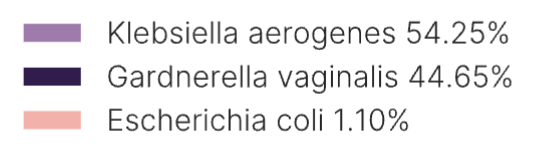
Repeat vaginal microbiome test while still experiencing symptoms showed greater diversity (from 100% Gardnerella), but still dysbiosis. Treatment following this testing resulted in resolution of all vaginal infection symptoms.
Patient 2: Priscilla
Clinical Picture & Symptoms:
- Recurrent bacterial vaginosis
- Low energy and motivation
- Brain fog and poor memory
- Hair loss and dry, brittle hair
- Difficulty building muscle and poor exercise recovery
- Bloating and intermittent diarrhea
- Blood sugar instability and shakiness between meals
- Early satiety and lack of hunger in the morning
- Decreased libido
- Facial puffiness and fluid retention
- Swollen lymph nodes and clogged ducts in the underarms
- Feeling depleted after sauna sessions
Unpacking the Energy Leaks Driving Chronic Vaginal Symptoms
Initial support focused on reducing exercise stress and improving energy availability as well as blood sugar stability. Functional testing revealed evidence of nutrient depletion, chronic immune activation, impaired digestion, and microbial imbalances within the gut. She was dealing with a variety of significant energy leaks that created an environment that not only impaired recovery and hormone production, but also contributed to recurrent bacterial vaginosis.
Priscilla’s Energy Leak 1: Exercise Stress
Despite experiencing low energy, poor recovery, and difficulty building muscle, she continued to push through a high intensity strength training routine. She also struggled with significant blood sugar crashes and noted feeling completely depleted after sauna sessions.
Exercise itself can be a beneficial stressor, but when training intensity, heat exposure, and recovery demands exceed the body’s capacity, oxidative stress increases and resources are diverted toward stress adaptation rather than tissue repair and immune regulation. Inadequate fueling around workouts and poor blood sugar stability further compounded Priscilla’s stress burden, resulting in elevated reverse T3, low Free T3, elevated cortisol later in the day, and elevated prolactin.
Over time, this chronic stress pattern likely impaired immune tolerance, opening the door to microbial imbalance and recurrent vaginal dysbiosis.
Priscilla’s Energy Leak 2: Immune Activation
Further testing revealed several factors contributing to chronic immune activation, including elevated Epstein-Barr virus (EBV) markers, Streptococcal A antibodies, low white blood cell (WBC) count, and chronically low Secretory IgA.
Stool testing also showed low microbial diversity, depleted beneficial bacteria, elevated overgrowth bacteria, and the presence of a parasite. Micronutrient testing revealed deficiencies in vitamins A, E, K, copper, and several amino acids, while mold mycotoxin exposure further increased oxidative stress and immune burden.
Maintaining a healthy vaginal microbiome requires a resilient immune system capable of supporting beneficial bacteria while keeping opportunistic microbes in check. In her case, chronic immune activation likely impaired immune tolerance and diverted resources away from maintaining healthy gut and vaginal microbial communities. This created an environment more susceptible to recurrent bacterial overgrowth and vaginal dysbiosis.
By addressing these immune triggers and restoring balance within the immune system, we helped build a more resilient foundation better equipped to maintain long-term vaginal health.
Key Areas of Support
Nutrient Replenishment
- Replenishing key micronutrients involved in thyroid, immune, and mitochondrial function
- Supporting digestion and pancreatic enzyme production
- Improving blood sugar regulation and meal timing
- Increasing fiber diversity to restore microbial diversity
Nervous System Support & Exercise Balance
- Reducing training intensity and shifting to a more immune and hormone-supportive training program
- Optimizing pre- and post-workout fueling
- Supporting parasympathetic nervous system function and stress resilience
- Improving circadian rhythm and neurotransmitter balance
- Incorporating lymphatic support and gentle sweating strategies
Immune Support
- Supporting viral immune burden and microbial balance
- Addressing parasites and bacterial overgrowth
- Rebuilding beneficial gut bacteria with prebiotics and probiotics
- Providing targeted vaginal support with probiotic suppositories and vaginal hygiene strategies
- Stabilizing mast cells and controlling mast cell activation and histamine intolerance around ovulation
The Transformation: Restoring Balance and Breaking the Vaginal Infections Cycle
- Resolution of recurrent BV symptoms with sustained vaginal microbiome support
- Improved energy, exercise recovery, and ability to train and sauna consistently again
- Improved blood sugar stability and reduced shakiness between meals
- Significant reduction in markers of viral immune activation
- Greater resilience to stress with improved nervous system regulation
- Improved histamine symptoms like insomnia, mood changes, and light sensitivity around ovulation
Highlighted Initial Labs:

Vaginal microbiome testing revealed significant dysbiosis.
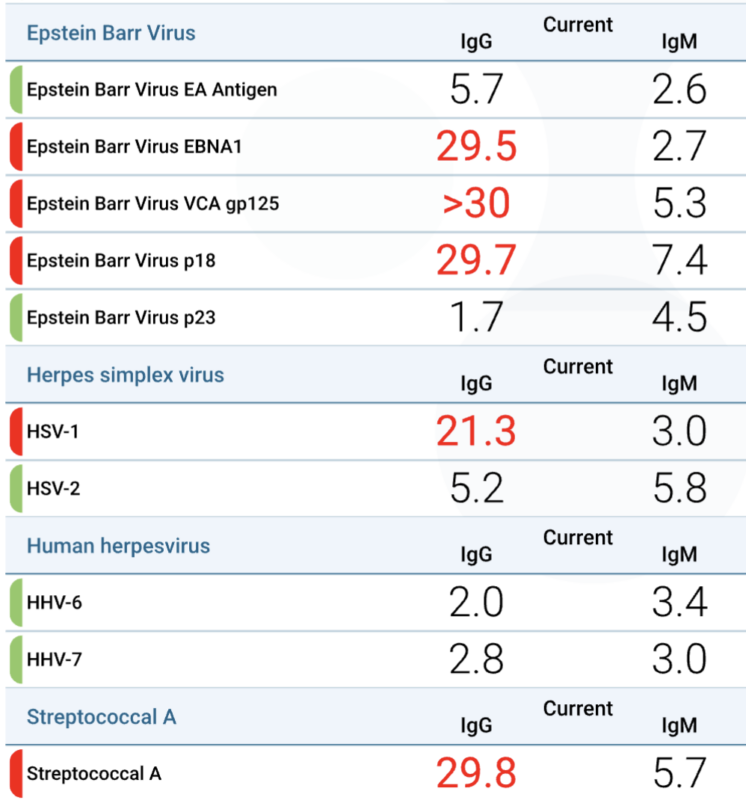
Significant viral burden contributing to her chronic immune activation.
Repeat Labs:

Repeat viral infections testing showed a decrease in EBV viral burden, just halfway through micro-immunotherapy treatment for immune modulation.
Uncover the Energy Leaks Contributing to your Chronic Vaginal Infections
When treating vaginal infections, we have to consider the underlying factors at play that influence immune tolerance, hormone balance, the gut and vaginal microbiomes, stress responses, and nutrient status. As our patient’s stories demonstrate, chronic vaginal symptoms can look different from person to person, and the underlying energy leaks driving chronic symptoms are not always the same.
At Functional Fueling, our goal is to uncover the hidden energy leaks preventing your body from maintaining a healthy microbial environment and to restore balance among your body systems for lasting relief. Start with our free Energy Leaks Quiz to identify your top energy leak. For deeper support, learn more about our 1:1 coaching program and personalized root-cause approach to restore immune, hormone, and microbial health.
Lauren Papanos, MS, RD, CSSD, is a nationally recognized Registered Dietitian Nutritionist, board-certified sports dietitian, published researcher, and founder of Functional Fueling Nutrition®, an award winning endocrinology nutrition practice specializing in thyroid health, metabolism, fertility, and hormones. For more than a decade, she has helped thousands of active women uncover the physiological drivers behind hypothyroidism, chronic inflammation, fatigue and infertility through advanced laboratory testing and evidence-based nutrition. Lauren is the creator of the Energy Leaks framework, host of the Functional Fueling® Podcast, and author of The Thyroid Breakthrough, a guide that helps women understand why they can still struggle with thyroid symptoms despite eating well, exercising consistently, and having “normal” lab results.


Comments +