


FFN Autoimmune Case Study: Controlling Rheumatoid Arthritis by Targeting Metabolic Health
FFN Patient “Lydia”
60-year-old female who established care in June 2024. She joined our Inflammation Hormony program (now Functional Thyroid Foundations) then continued onto 1:1 coaching with the goals of restoring gut health, controlling autoimmunity, improving sleep and energy levels, and supporting healthy aging and body recomposition.
Conditions
- Rheumatoid Arthritis (RA)
- Sjogren’s
- Hypothyroidism (non-Hashimoto’s)
- Post-menopause (last cycle 2018)
- History of long-Covid (Jan 2020)
- Fatty liver
Symptoms
- Bloating, gas, constipation
- Fatigue
- Sugar cravings
- Rashes and peeling skin on hands (during active RA flares, triggered by immune activation, sinus infections, lack of sleep, and overeating sugar)
- Hair loss
- Difficulty losing fat and building muscle
- Cellulite on legs (significantly increased after Covid)
- Chronic congestion and frequent sinus infections
Initial Clinical Strategy: Investigation & Stabilization Phase
We began by focusing on calming inflammation and stabilizing immune activity. A significant portion of this initial phase involved deep root cause investigation into the variety of factors driving chronic immune system activation, decreased digestive capacity, and fatigue.
Investigation
Initial comprehensive lab testing confirmed a significant inflammatory response within the body, which closely mirrored the severity of her symptoms. One of the most notable findings was evidence of metabolic dysfunction and blood sugar dysregulation. Despite low fasting insulin levels, her elevated hemoglobin A1c suggested a later-stage pattern of insulin resistance and impaired glucose regulation, both of which can contribute to ongoing immune activation and inflammation.
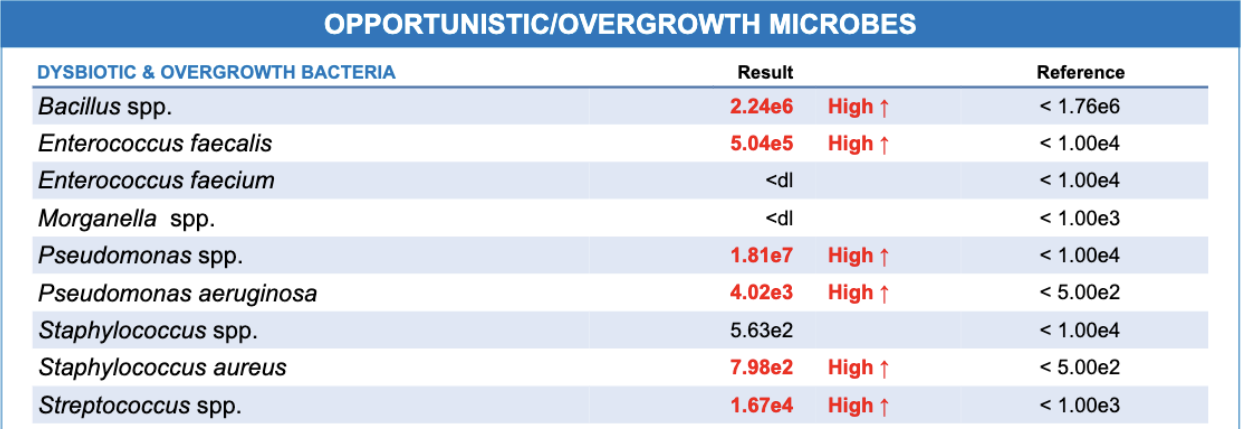
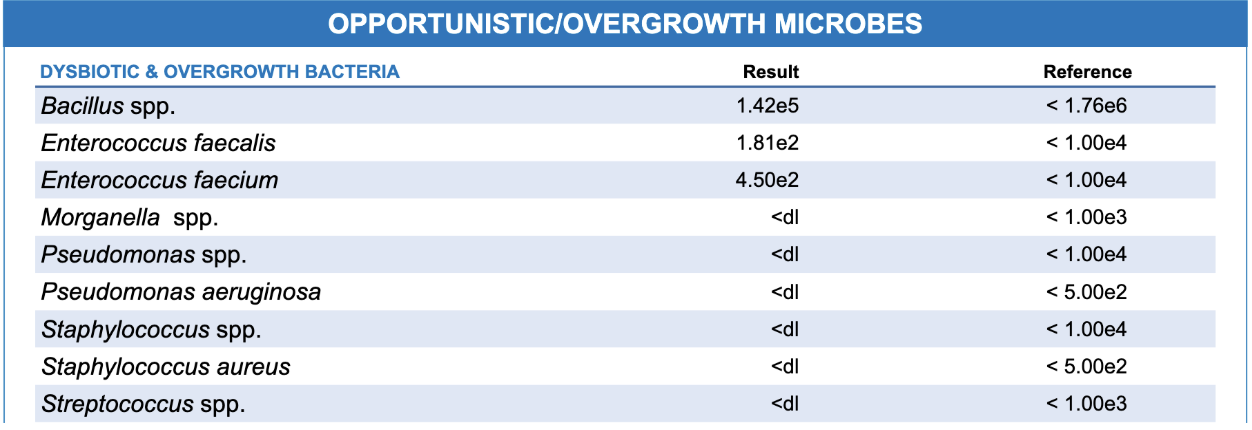
Further investigation through advanced stool testing revealed multiple GI stressors, including pathogenic bacteria, low levels of beneficial bacteria, mild bacterial overgrowth, and low digestive enzyme output. Subsequent repeat stool testing uncovered even more extensive gut dysbiosis and bacterial overgrowth, suggesting biofilms were likely contributing to the persistence of her GI symptoms.
Mycotoxin testing also revealed significant mold exposure, which aligned with a water leak she discovered in her home shortly after beginning care. Micronutrient testing additionally identified multiple vitamin, mineral, and antioxidant insufficiencies impacting metabolism, detoxification, and immune resilience.
Stabilization
Given the severity of inflammation present, our initial priority was stabilization. Her inflammatory markers were significantly elevated, driving oxidative stress and ongoing immune activation.
Although substantial detoxification support was ultimately needed to address her mold mycotoxin burden, we could not immediately pursue an aggressive detoxification approach. In individuals with significant autoimmune and metabolic dysfunction, intensive detoxification protocols can further increase inflammation, oxidative stress, and immune reactivity if the body is not adequately supported first.
Instead, we focused on creating a stronger metabolic foundation to improve resilience and increase her ability to tolerate deeper detox strategies over time. A major component of this involved blood sugar optimization through foundational nutrition strategies aimed at improving glucose stability, supporting metabolism, and reducing inflammatory stress on the immune system. We also prioritized micronutrient repletion to support mitochondrial function, antioxidant capacity, detoxification pathways, and overall immune resilience.
Once a more stable foundation was established, we implemented a strategic treatment plan to address both gut dysbiosis and mold-related mycotoxins. This process also required extensive home mold remediation, as additional mold continued to be uncovered within her home over time.
Key Areas of Support
- Nervous system and stress physiology support
- Micronutrient replenishment
- Anti-inflammatory support to combat autoimmune activity
- Metabolic support centered on blood sugar regulation and fat metabolism
- Digestion optimization and gut motility support
- Gut microbiome balance
- Bolstering gut-immune function
- Antioxidant support for liver detoxification and mitochondrial function
Early Outcomes
- Significant improvement in overall energy
- Significant improvement in hair loss
- Improved bowel movements, less constipation and decreased reliance on gut motility agents
Deeper Metabolic Support & Immune Modulation Phase
As her inflammation and metabolic stability improved, we were able to transition into deeper phases of care focused on metabolic recovery, immune modulation, and addressing the long-term impacts of mold exposure and chronic inflammation.
Deeper Metabolic Support
We continued prioritizing micronutrient replenishment to support thyroid function, mitochondrial health, antioxidant capacity, and inflammatory regulation. At the same time, we advanced her mold mycotoxin treatment plan while her home underwent extensive remediation. Unfortunately, this became a prolonged process, as additional mold continued to be uncovered throughout our first year working together.
To support the deeper metabolic dysfunction contributing to her chronic inflammatory symptoms and autoimmunity, she also introduced peptide therapy. Over time, this was associated with improved energy and reduced achiness. We adjusted her nutrition plan accordingly, emphasizing digestive support, adequate macro- and micronutrient intake, and increased fiber diversity.
After 1 year of treatment, despite still actively treating mold mycotoxins and gut dysbiosis, whole-body MRI imaging done by her doctor showed reversal of her fatty liver. We also saw improvement in insulin sensitivity, including normalization of hemoglobin A1c and healthier insulin patterns. During peptide therapy, however, thyroid hormone levels declined, prompting additional thyroid and bile support to improve Free T4 to Free T3 conversion.
Immune Modulation
As her metabolic health improved, we were able to further advance immune modulation and detoxification support. Repeat mycotoxin testing continued to show a significant toxic burden, reinforcing the impact long-term mold exposure was having on her immune system, gut microbiome, and inflammatory responses.
However, follow-up testing 8 months after discovering major bacterial overgrowth, repeat stool testing showed major improvement, including pathogen clearance, control of H. pylori, and resolution of significant bacterial overgrowth.
As bacterial overgrowth and inflammatory stress within the gut improved, we continued to see improvements in systemic inflammation markers and a reduction in the chronic immune activation that had been driving many of her symptoms.
We also completed advanced immune testing to inform the utilization of micro-immunotherapy, therapeutic treatment to modulate and retrain the immune system. This Lymphocyte Map testing revealed heightened acute immune activity alongside signs of chronic immune exhaustion, while viral testing also revealed a high Epstein-Barr virus (EBV) load. In response, we expanded immune-specific micronutrient support and introduced a personalized micro-immunotherapy protocol.
Clinical Outcomes
- Reduced inflammation markers: high-sensitivity C-Reactive Protein (hs-CRP), Myeloperoxidase (MPO)
- Eradicated Giardia and Norovirus (GI pathogens)
- Reduced Lipoprotein(a) (cardiovascular risk marker)
- Improvement in fasting insulin and Hemoglobin A1c
- Identification and treatment of Epstein-Barr Virus (EBV) and remaining mold mycotoxins
Patient Results
- Better sleep
- Significantly improved energy
- Resolved bloating and inflammation
- Significant reduction in sugar cravings
- Improved digestive function, gut motility, and bowel regularity
- Hair regrowth
- Improved body composition, muscle tone, and fat loss
Initial GI MAP:
Repeat GI MAP (~7 months later):
Progression of Inflammation Markers Through Care:
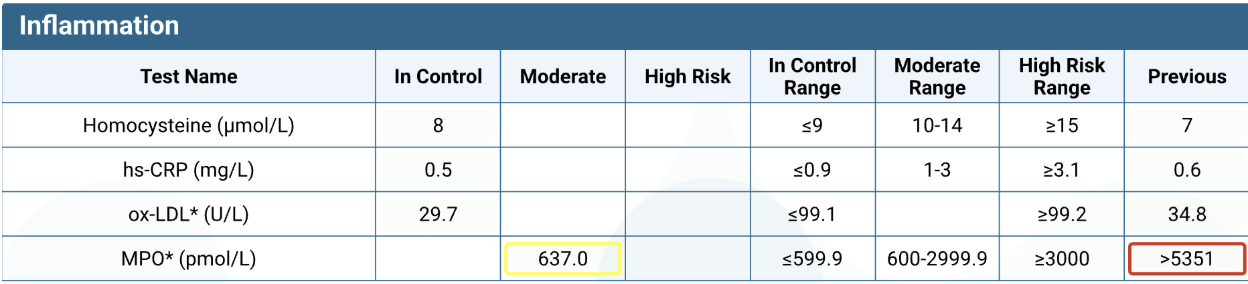
*As shown above, her MPO decreased from >5351 pmol/L to 637 pmol/L over the course of 8 months.
Get to the Root of your Autoimmunity
Autoimmune conditions are rarely an isolated immune system issue. Instead they are a reflection of ongoing energy leaks.
At Functional Fueling we specialize in working with individuals navigating complex chronic conditions, helping to uncover the root drivers and build a clear, personalized path forward. Learn more about working with us in our 1:1 coaching program here.



Comments +