

Functional Nutrition for Endometriosis: Case Studies on What Actually Reduces Pain, Bloating, and Inflammation
Patient 1: “Mary”
2 years post-excision surgery, wanted to try to manage bloating and pre-menstrual pain without another surgery if she could.
Conditions: Endometriosis
Symptoms: Severe abdominal pain(endometriosis) not just during period but throughout the month, fatigue, abdominal pain, brain fog, bloating, constipation
Vegan
Crossfitter
Her Review: “I absolutely loved working with Lauren! I’m sad that I “graduated”, but I never would have believed I could feel as amazing as I do now more than a year ago. Before working with Lauren, I was at my wits end with endometriosis and was trying all options before having to undergo another surgery. Through diet and supplement recs, Lauren helped lift me up and I’m happy to say that 99% of my endometriosis symptoms have been alleviated. I never thought that would be a possibility before working with Lauren since I have been in chronic pain for years. In addition to endometriosis support, we were able to work on healing my gut, improving my energy and performance in the gym, and I left in the best state possible–physically and mentally.”
Initial Clinical Strategy: Stabilization Phase
We began by establishing a more structured nutrition and lifestyle foundation to support symptom regulation, body composition goals, exercise recovery, and long-term metabolic health. Early care focused on creating consistency with meal timing, meal composition, hydration, and targeted supplementation before progressing into more advanced gut and metabolic strategies.
In complex cases involving endometriosis, constipation, irregular hunger cues, and body composition resistance, building stability first often improves physiologic resilience and creates a stronger foundation for deeper interventions.
Key Areas of Support
- Foundational nutrition stability and meal structure
- Metabolic health and blood sugar regulation
- Exercise performance, recovery, and body composition support
- Anti-inflammatory nutrition and oxidative stress support
- Hormonal balance and estrogen metabolism for estrogen-dominant pattern
- Digestive function, motility, and bowel regularity
- Gut microbiome treatment and gastrointestinal repair
- Detoxification and elimination pathways support
- Nutrient repletion to support overall resilience
- Lifestyle and hydration strategies to reinforce long-term progress
Early Outcomes
- Improvements in digestive regularity and bowel consistency
- Reduced bloating and gastrointestinal discomfort
- Increased energy levels and improved exercise recovery
- Improved satiety and more stable hunger patterns between meals
- Decreased bloating & period pain
Gut and Immune Modulation Phase
Once foundational nutrition and lifestyle habits had been established, the focus shifted toward addressing deeper gastrointestinal and inflammatory drivers that could be contributing to hormonal symptoms, digestive concerns, and overall metabolic stress.
Using a phased nutrition and supplementation approach, strategies were implemented to improve gut function, reduce inflammatory burden, and support the gut microbiome. Particular attention was given to digestive health due to the strong relationship between gut function, estrogen metabolism, and immune regulation – all factors that drive endometrial tissue growth.
- Reduce microbial imbalances contributing to gastrointestinal inflammation
- Improve digestive function and gastric signaling before meals
- Support bowel motility and regular elimination
- Enhance estrogen metabolism through increased cruciferous vegetable intake
- Increase intake of antioxidant and anti-inflammatory plant foods
- Introduce fermented foods and probiotics to support microbial diversity
- Restore microbiome diversity through increased fiber variety and prebiotic foods
Metabolic Assessment and Optimization
Alongside gastrointestinal support, the care plan focused on improving metabolic regulation and body composition outcomes. Although the patient had already implemented many supportive lifestyle habits, further adjustments to nutrition structure, activity levels, and meal composition were introduced to improve metabolic efficiency and exercise performance.
Strategies were implemented to improve metabolic flexibility, support training recovery, and create sustainable progress toward body composition goals.
Clinical Outcomes
- 99% endometriosis symptoms: abdominal pain, bloating, premenstrual pain, & heavy periods decreased
- Improvement in energy levels
- Regular bowel movements
Note: She did not complete labs during our time working together
Patient 2: “Laura”
Immediately post excision surgery, still experiencing irregular cycles and bloating.
Conditions: Endometriosis, PCOS, Wolff Parkinson White syndrome, GERD, IBS
Symptoms: Heartburn, constipation bloating, gas, feeling full easily, food sensitivities, shaky between meals, difficulty losing weight, premenstrual headaches, low libido, skin issues – rosacea, dry skin, dermatitis, random hives
Her Review:
“I actually had to go back and look at my list for my main goals and symptoms prior to working together because I’ve been feeling so good lately it’s hard to remember but most notably was blood sugar feeling extremely unstable between meals, really bad reflux and bloating, the dysautonomia-type symptoms (mainly dizziness), poor recovery from workouts, and fatigue.
Initial Clinical Strategy: Stabilization Phase
We began by focusing on restoring foundational physiological stability before addressing deeper immune and metabolic dysfunction. In complex cases like this, improving the body’s resilience and regulatory capacity often creates the conditions necessary for more targeted interventions later.
Key Areas of Support
- Cellular energy and mitochondrial function
- Stress and adrenal physiology
- Detoxification and drainage pathways
- Gut microbiome balance and commensal bacterial support
- Nutrient repletion to support immune resilience
- Immune modulation strategies
- Mast cell stabilization to address cyclical histamine symptoms
- Correcting estrogen dominance and strengthening ovulation to improve progesterone levels
Early Outcomes
- Significant improvement in histamine-related symptoms
- Menstrual cycles began shifting toward a healthier length and ovulation consistency
- Noticeable improvements in overall energy and exercise capacity
Gut and Immune Modulation Phase
Once foundational systems had stabilized, we moved into addressing deeper inflammatory and immune drivers, particularly those originating in the gut and immune system.
Using advanced functional testing to guide our approach, we implemented targeted strategies to:
- Reduce microbial imbalances contributing to inflammation
- Further regulate immune signaling
- Continue stabilizing metabolic function
- Optimize exercise patterns to better support metabolic and hormonal health
Metabolic Assessment and Optimization
Despite significant improvements in symptoms and overall health markers, the patient continued to experience resistance with body composition changes, which prompted a deeper metabolic evaluation.
Continuous glucose monitoring was used to better understand how her body was responding to food, exercise, and daily routines. This data revealed several important patterns, including:
- Improved glucose stability on resistance training days
- More favorable responses with higher fiber meals
- Greater variability on lower activity days
Although she was already implementing many healthy lifestyle practices, the data suggested that her baseline metabolic response remained higher than expected.
Because of this, we implemented a structured metabolic reset approach designed to help restore metabolic flexibility and improve overall glucose regulation.
Clinical Outcomes
Repeat laboratory testing showed substantial improvements:
- A1C: 5.2 → 4.9
- Progesterone: 5.2 → 16
- Inflammation markers: Reduced by ~50%
- T3 levels: Maintained stable thyroid function (2.9)
July 2025 lab results: January 2026 lab results:
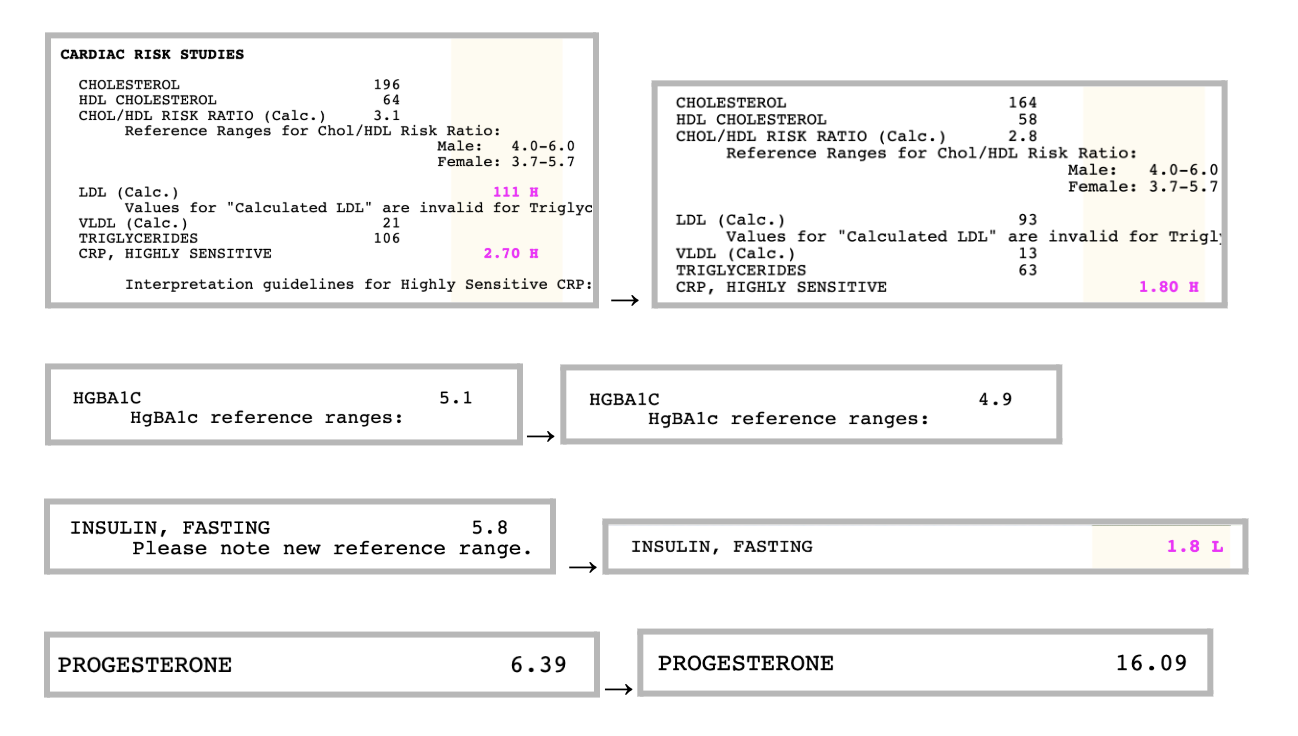
Patient Results
- Her laboratory markers and MRI no longer reflected PCOS or endometriosis
- 15 pounds of weight loss
- Restoration of regular ovulatory menstrual cycles
- Stable blood sugar without hypoglycemic symptoms
- Resolution of histamine intolerance symptoms
- Improved digestive function
- Significantly improved energy and strength
- No bloating, spotting or pre-menstrual pain
Lauren Papanos, MS, RD, CSSD, is a nationally recognized Registered Dietitian Nutritionist, board-certified sports dietitian, published researcher, and founder of Functional Fueling Nutrition®, an award winning endocrinology nutrition practice specializing in thyroid health, metabolism, fertility, and hormones. For more than a decade, she has helped thousands of active women uncover the physiological drivers behind hypothyroidism, chronic inflammation, fatigue and infertility through advanced laboratory testing and evidence-based nutrition. Lauren is the creator of the Energy Leaks framework, host of the Functional Fueling® Podcast, and author of The Thyroid Breakthrough, a guide that helps women understand why they can still struggle with thyroid symptoms despite eating well, exercising consistently, and having “normal” lab results.


Comments +